
Key Findings
- Cruciferra is a sophisticated crypter service used by multiple unrelated cybercriminal threat clusters.
- It has been observed delivering a wide range of remote access trojans and infostealers.
- The malware employs extensive defense-evasion capabilities and over 90 variations of cryptographic functions to obfuscate its data and payloads.
- Proofpoint identified both production and apparent testing variants, indicating the service is under active development.
Overview
Proofpoint researchers are tracking Cruciferra, a crypter service that is used by multiple unrelated threat actors. Crypters are commonly used within the cybercriminal ecosystem to conceal malicious payloads, evade security controls, and improve malware delivery success rates. During our analysis, Proofpoint researchers identified both production and apparent testing samples, including variants containing debugging functionality and experimental features.
Cruciferra is written in Mono and features numerous techniques designed to evade detection, analysis, and incident response efforts. These include using indirect system calls, API and Import Address Table (IAT) unhooking, Bring-Your-Own-Vulnerable-Driver (BYOVD)-based EDR tampering, privilege escalation, persistence mechanisms, and a customized implementation of Process Ghosting used to execute payloads while minimizing forensic artifacts. The crypter also includes a notable emphasis on payload protection. Cruciferra supports a large collection of custom encryption routines, many of which appear to be dynamically assembled from components of established cryptographic algorithms. This approach creates significant variation between samples, complicating static analysis and signature-based defenses.
In this report, we’ll look at Cruciferra’s functionalities and observed real-world use. We also highlight the campaigns and malware families associated with the service, providing insight into a sophisticated and increasingly popular component of the modern malware-as-a-service ecosystem. Note that Cruciferra seems to be an “umbrella” name for a set of different crypters bundled together in the same service. In this report, we’ll discuss the crypter we see the most often, which we simply call Cruciferra.
Advertisement and Sale
Cruciferra calls itself “the underground's most lethal crypter.” The malware is being advertised on Exploit[.]in, and likely on other forums as well. It was first made available for sale in the fall of 2025. Below is a screenshot from the forum exploit[.]in:
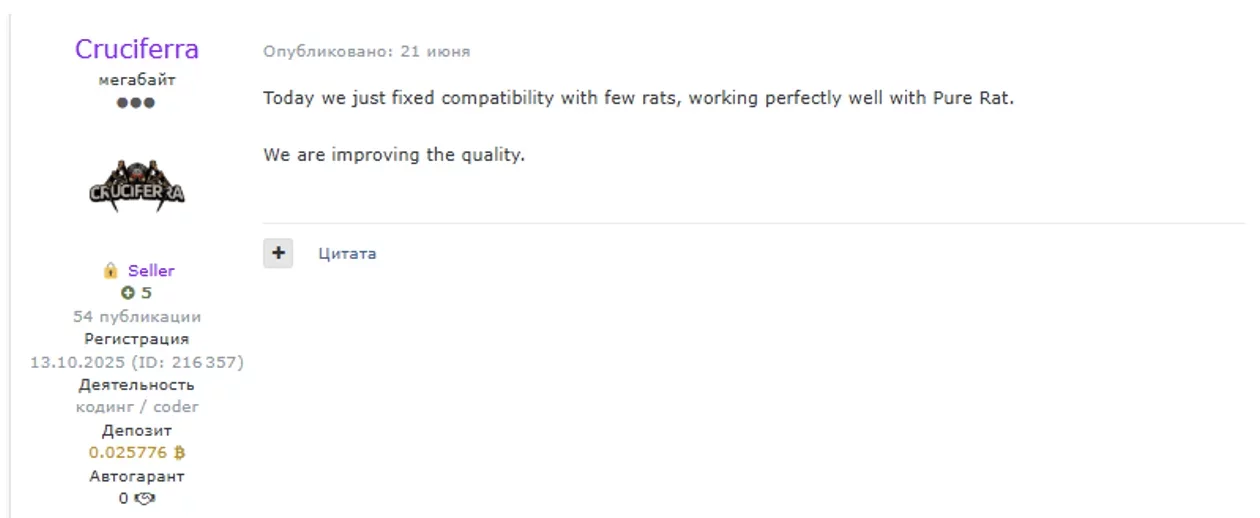
Figure 1: A public advertisement and notice of Cruciferra (from exploit[.]in).
The original posting of Cruciferra contained the following information (which has been truncated):
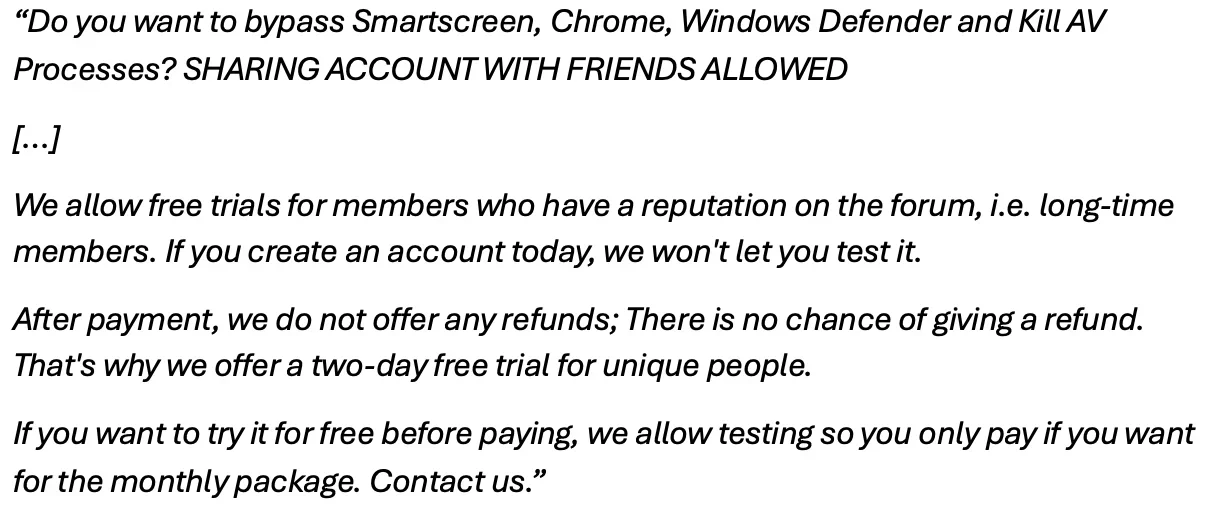
The malware author provides multiple tiers for sale; the more expensive the build is, the more features it has. Prices range from $450 USD a month to $2000 USD a month.
Campaign Details
Proofpoint has observed dozens of campaigns distributing commodity malware leveraging the Cruciferra crypter. In observed campaigns, malware is delivered via email, with Cruciferra used to obfuscate the ultimate payload. Cruciferra has the option of either dropping the payload to disk or downloading a payload from a staging server.
Researchers have observed Cruciferra delivered alongside multiple malware payloads such as zgRAT, AgentTesla, AsyncRAT, XLoader, XWorm, Phantom Stealer, Formbook, and Remcos.
Campaigns are conducted by multiple different threat actors. Targeting is opportunistic, and message volumes range from several hundred to thousands of messages per campaign. Although the targeting is opportunistic, some verticals were observed more frequently in campaigns, including financial services, healthcare, and government entities.
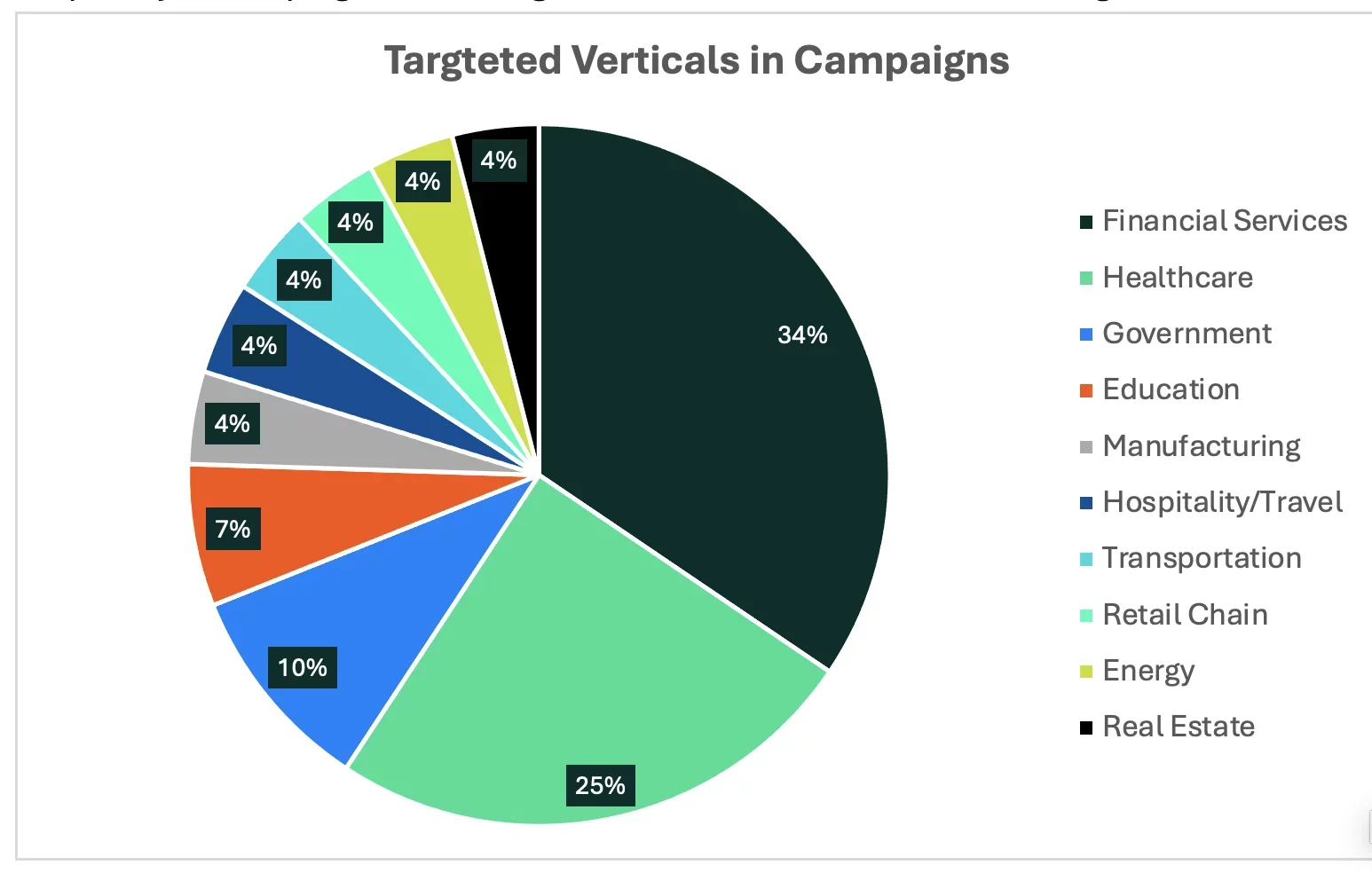
Figure 2: Observed verticals targeted in Cruciferra campaigns.
Example Campaigns: TA4922
Between late April and early June 2026, Proofpoint observed four campaigns attributed to Chinese-speaking cybercrime actor TA4922 using Cruciferra to ultimately deliver AsyncRAT. Campaigns included up to 250 messages per campaign.
In each campaign, the actor leveraged tax-themed lures to drive victims to attacker-controlled landing pages hosting ZIP files containing an executable and DLL pair.
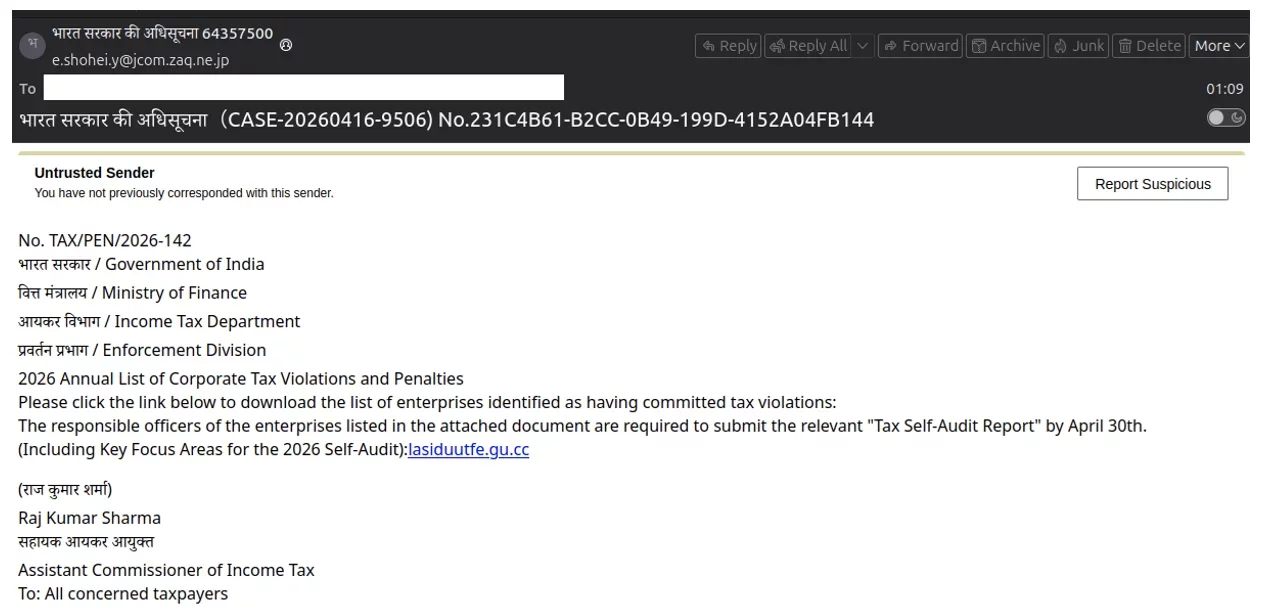
Figure 3: Tax-themed lure impersonating the Income Tax Department with an embedded URL.
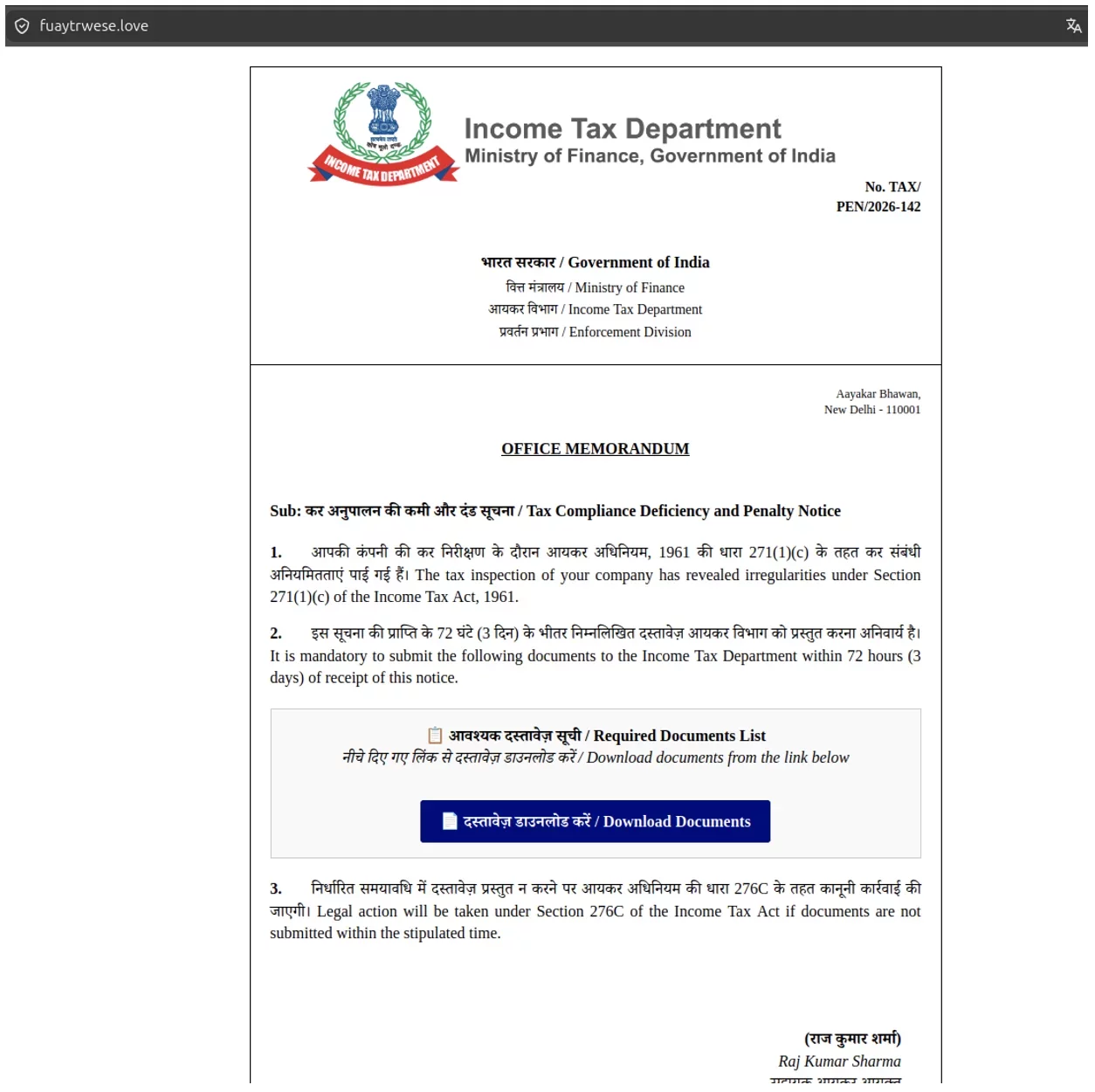
Figure 4: Fake Income Tax Department portal used to host the ZIP file which initiates the Cruciferra infection chain.
The email and PDF lures followed consistent social engineering patterns while impersonating government tax authorities through “Income Tax Department” or “Government of India” notifications. The landing pages, which have been observed in numerous prior TA4922 campaigns, were designed to closely mimic legitimate government tax portals and prompt the recipient to download required documents which reinforce legitimacy and urgency. The URLs leading to these landing pages were delivered either directly within the email body or via PDF attachments cotaining embedded links.
Example Campaign: XWorm
Tax and government-related themes are frequent favorites of cybercriminals, and the U.S. Social Security Administration (SSA) is often abused in malware campaigns, including from actors using Cruciferra. For example, in May, Proofpoint researchers observed emails impersonating the SSA regarding tax documents. (Curiously, the emails referred to items that needed to be completed by January 2026; it’s possible the actor repurposed an old lure, or mistakenly included the wrong date.)
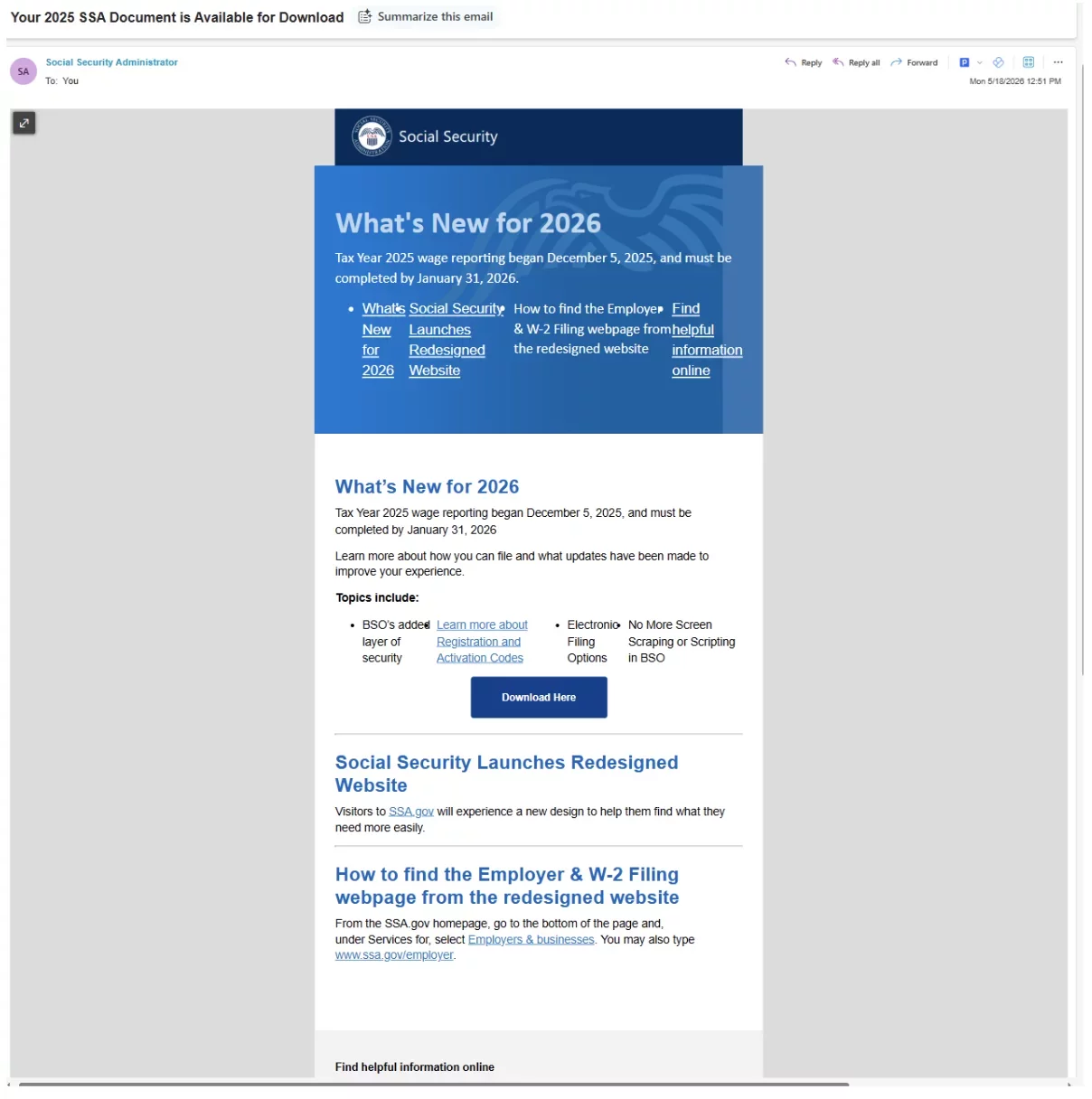
Figure 5: Fraudulent SSA emails.
These messages contained URLs leading to the download of a VHD file which, if clicked, ran an executable which ran Cruciferra. This malware then led to XWorm and AdaptixC2. Researchers at Deception.Pro also published details on this campaign.
Example Campaign: Guest Complaint
In a Cruciferra campaign observed at the end of June, threat actors leveraged email themes related to bed bugs and guest complaints to target organizations in the hospitality and travel industries.
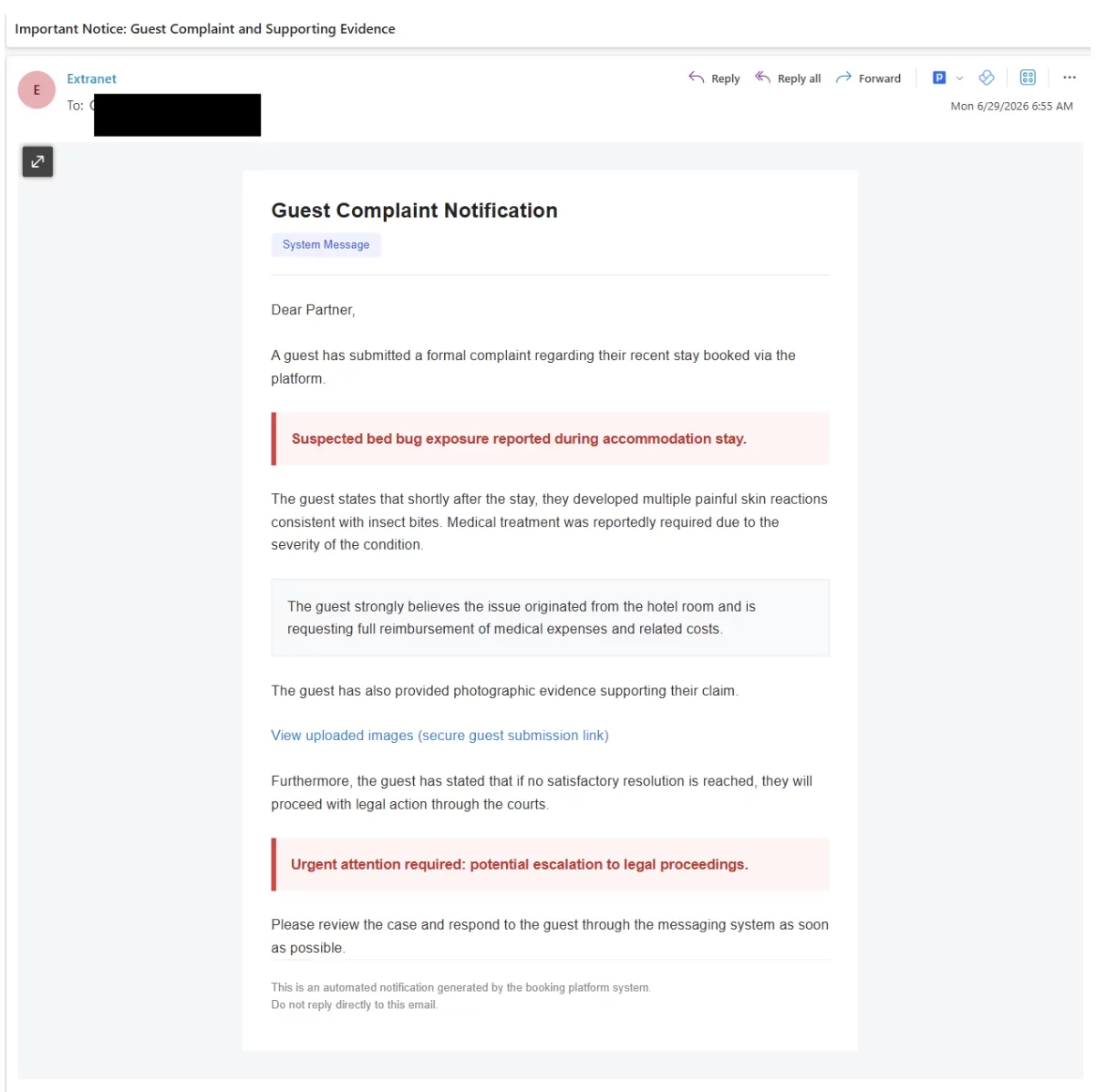
Figure 6: Guest complaint lure.
These messages contained URLs masquerading as links to evidence provided by a guest, but led to the download of a zipped LNK file that launched a PowerShell command, which then executed a PowerShell script. This script first fingerprinted the user's system and reported the collected information to an actor-controlled server. It then downloaded a ZIP archive which ultimately led to the installation of Cruciferra. Cruciferra was observed loading zgRAT.
Cruciferra Analysis
Based on our observations, Cruciferra is always executed via DLL side-loading. The infection chain involves a ZIP or similar archive file that contains an executable and a DLL. When the target runs the executable file, the DLL (which contains Cruciferra’s code) is side-loaded, and the executable invokes the main malicious function code inside the DLL. Cruciferra’s primary purpose is to ensure the target system isn’t a sandbox or malware analyst’s virtual machine before dropping and executing the payload.
Evasion and Anti-Analysis Techniques
Before the payload is deployed on the victim system, Cruciferra uses several techniques to detect and evade endpoint defenses, sandboxes, and malware analysts.
Decoy Exported Functions
Cruciferra DLLs contain many fake exported functions that point to junk code or do nothing. In some cases, the Cruciferra DLL can contain hundreds or even thousands of exports, most of them pointing to junk code. One or a select few functions contain a call instruction that jumps to the “real” malicious code. These decoy exported functions are an anti-sandbox and anti-analysis measure that makes it more difficult to reach the actual malicious code.
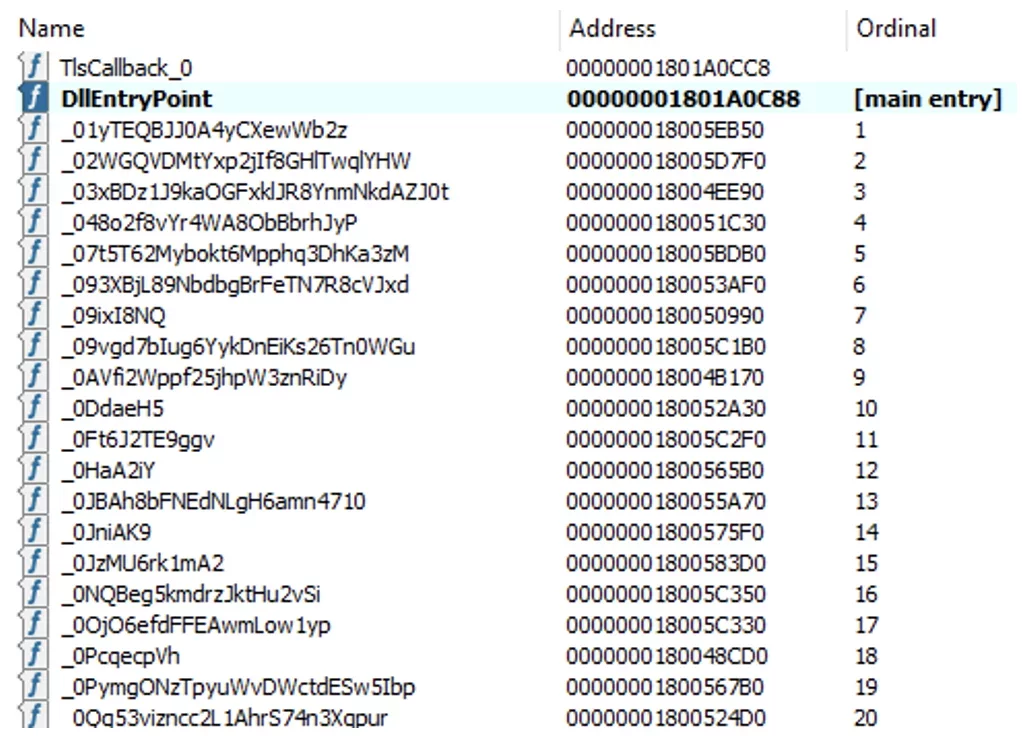
Figure 7: IDA Pro snippet showing a typical list of exported functions in a Cruciferra sample.
Console Window Hiding
Cruciferra uses a unique technique to prevent console windows from spawning from its processes (which could alert the user to an infection). The malware hides console windows by spawning a background thread that loops 100 times (while sleeping 50ms between iterations), and walking up the process tree from the current process. At each level, it calls EnumWindows to find all windows belonging to that process ID, checks if the window class is "ConsoleWindowClass", and if so, hides it using both ShowWindow(SW_HIDE) and SetWindowPos(SWP_HIDEWINDOW). The persistent retry loop ensures any console windows that appear after startup (e.g., from cmd [.]exe or conhost [.]exe parents) are caught and hidden quickly.
Function Unhooking
Cruciferra attempts to unhook several functions. A hook is a small piece of code inserted into Windows API functions that allows EDR, antivirus (AV), and sandbox solutions to monitor function calls and analyse a program’s behaviour. By removing or modifying these hooks, Cruciferra uses an evasion technique known as unhooking to reduce visibility into its activities and hinder detection by endpoint defences and analysis tools:
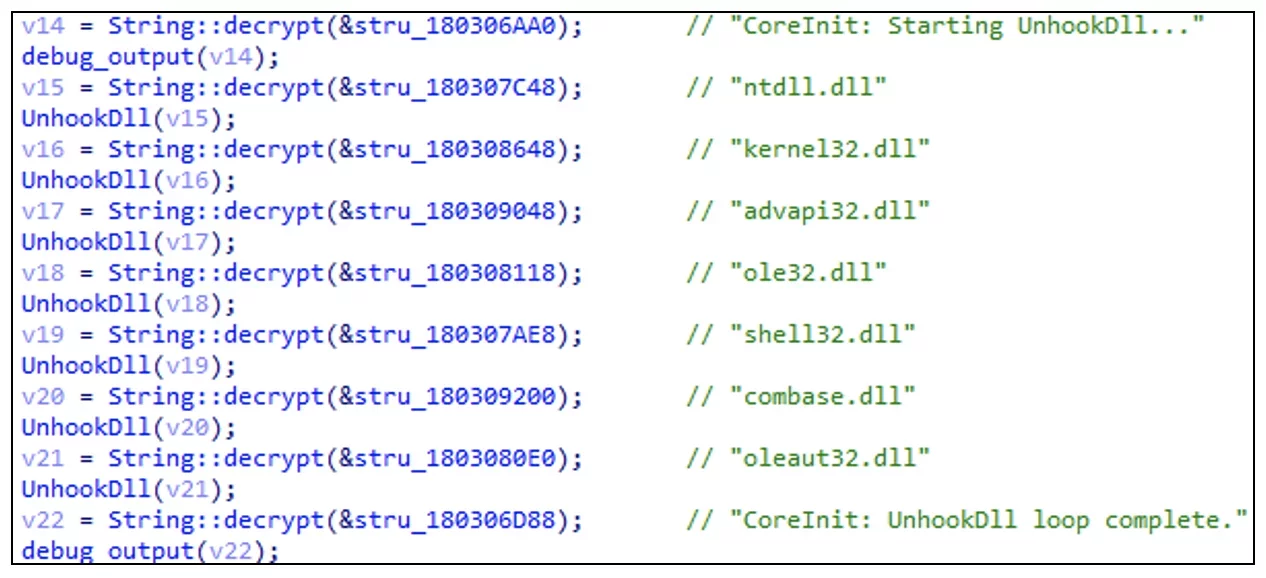
Figure 8: Cruciferra unhooking several DLLs to inhibit monitoring.
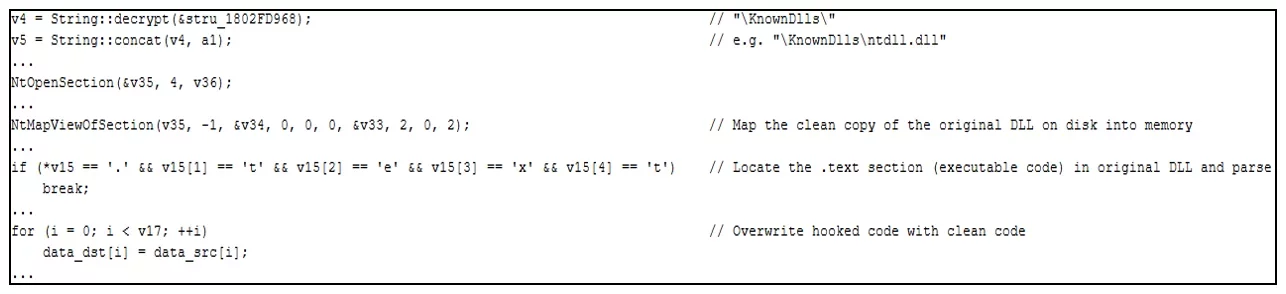
Figure 9: Cruciferra unhooking code (simplified)
BYOVD-based Evasion
Cruciferra attempts to disable endpoint defenses like EDR by dropping a vulnerable “helper” driver as a BYOVD (Bring-Your-Own-Vulnerable-Driver) technique. This is a well-documented technique, and involves abusing a vulnerable kernel driver to issue low-level commands (or, I/O Controls - IOCTLs) to the operating system to terminate target processes to prevent detection.
In this case, Cruciferra often abuses the legitimate (but vulnerable) GoFlyDrv.sys driver and attempts to terminate various EDR processes by looping through the running process list, identifying suspect process names, and invoking DeviceIOControl to send process termination codes to the suspected processes.
Alternatively, in place of the GoFlyDrv.sys driver, the following helper drivers may be dropped and used as part of the BYOVD technique. There are likely others as well.
|
Driver Name |
Driver Hash |
|
Core64.sys |
17aae57cf6255c7eb169bf62ea67376d9708976eb7831f8cdd0ea38bdcb37dc4 |
|
GoFlyDrv.sys |
2fdfdd13a0c548bb68c9d5aa8599a9265d4659da3e237fe7a42ac6ac06b9a06a |
|
HwOs2Ec.sys |
c4e93449453cf67c5d5605bb8f425207a738a242fdb432d720acc32faa74926c |
|
LnvMSRIO.sys |
c5b1e9aafc8f2b4ab05effc00fd43f3114b9ef1d592a086c952793ac4e299809 |
|
MemoryInformer.sys |
7887e919555fb5948c217556ba149392a72982b1bc427d3db779db9dcbf09ee8 |
|
NTIOLib_X64.sys |
09bedbf7a41e0f8dabe4f41d331db58373ce15b2e9204540873a1884f38bdde1 |
|
ProcessMonitorDriver.sys |
5b4f59236a9b950bcd5191b35d19125f60cfb9e1a1e1aa2e4f914b6745dde9df |
|
selfprot.sys |
c46e907886e2158cbc453e767183aecf07887b5ac8848f19684451883d69f5f0 |
Indirect Syscalls
Cruciferra uses indirect syscalls to evade endpoint defenses, sandboxes, and analysis tooling. To do so, the malware reads a clean copy of ntdll.dll on disk and stores all stub pointers in a global structure for later usage. This allows the rest of the malware to call these APIs while bypassing EDR and sandbox inline hooks on ntdll.dll. The selected syscalls are:
- NtProtectVirtualMemory
- NtCreateSection
- NtMapViewOfSection
- NtCreateTransaction
- NtRollbackTransaction
- NtOpenKey
- NtSetValueKey
- NtClose
- NtSetInformationFile
IAT Unhooking
Cruciferra repairs the IAT (Import Address Table) to remove any IAT hooks that endpoint defenses, a sandbox, or analysis tools may have implemented. IAT hooking is an older technique and not often used anymore, so it’s notable that Cruciferra implements this unhooking technique. Below, you can see a snippet of the IAT repair/unhooking code:
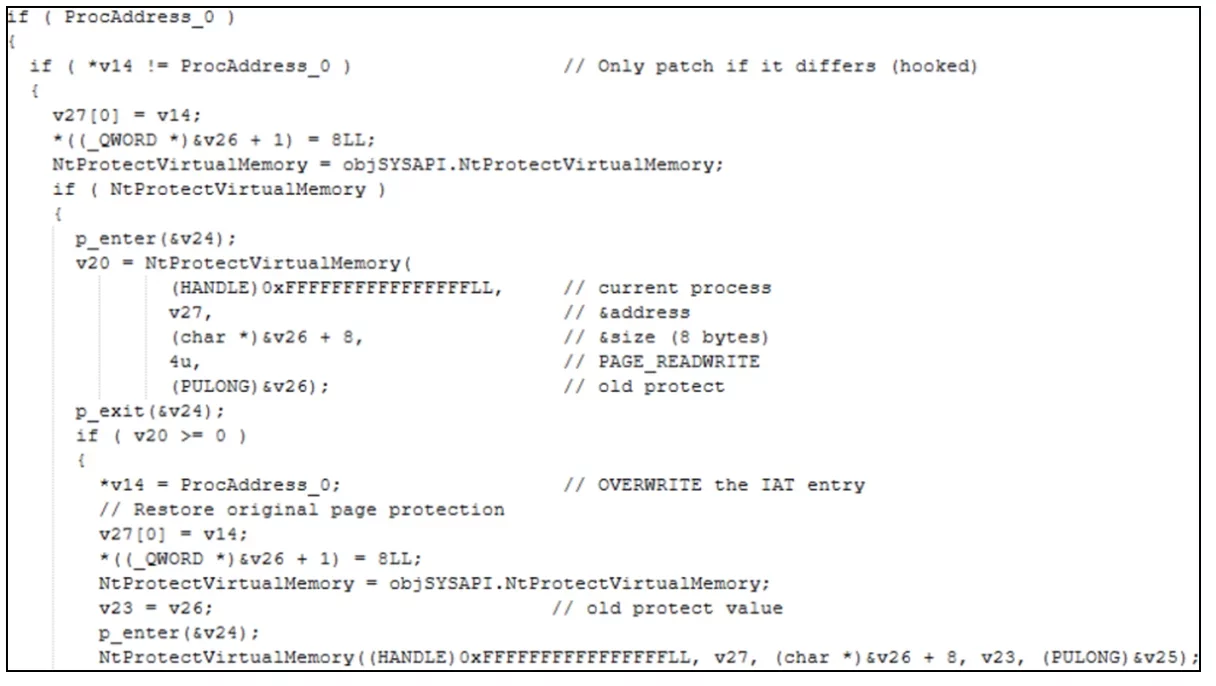
Figure 10: Snippet of IAT unhooking code in Cruciferra.
Disabling User Notifications
To maintain stealth on the infected endpoint, Cruciferra modifies a few registry keys to disable user notifications. These are as follows:
|
Registry Key |
Registry Value |
Description |
|
Software\Microsoft\Windows\CurrentVersion\PushNotifications |
ToastEnabled |
Disabling “Toast” notifications prevents Windows notification pop-ups from appearing. May suppress notifications from Windows Defender, SmartScreen, etc. |
|
Software\Microsoft\Windows\CurrentVersion\Explorer\Advanced |
Balloon |
Suppresses classic notification balloons such as from Security Center. |
|
Software\Microsoft\Windows\CurrentVersion\Explorer\Advanced |
ShowInfoTip |
Disables infotips (when hovering over files/folders). |
Privilege Elevation and Persistence
Cruciferra checks if it is running with Administrator privileges, and if not, attempts to elevate its privileges by bypassing UAC using the COM Elevation Moniker. We won’t cover this technique in this blog post, but you can read more about this here: https://learn.microsoft.com/en-us/windows/win32/com/the-com-elevation-moniker.
Additionally, Cruciferra establishes persistence by writing to the registry Software\Microsoft\Windows\CurrentVersion\Run key with a default value of “putty”. This ensures Cruciferra runs after system reboot.
Decrypting the Payload
Payloads are stored in Cruciferra’s “.reloc” section in the following format:
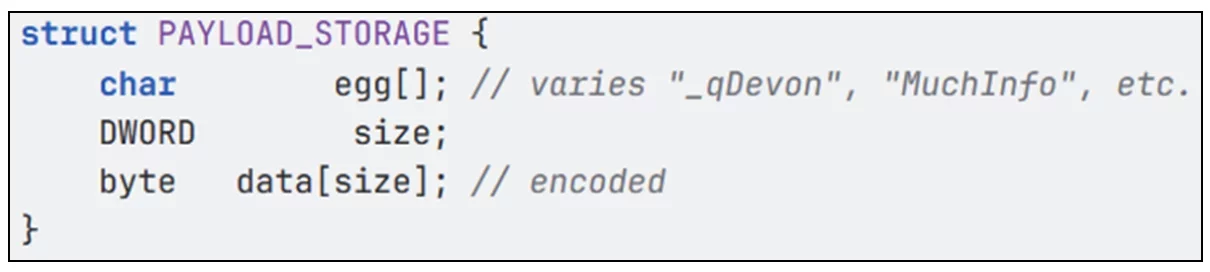
Figure 11: Payload storage format in the binary.
Payloads are encoded in the binary using Base16 encoding with a custom character set - "PQRSTUVWXYZ[\]^_”:
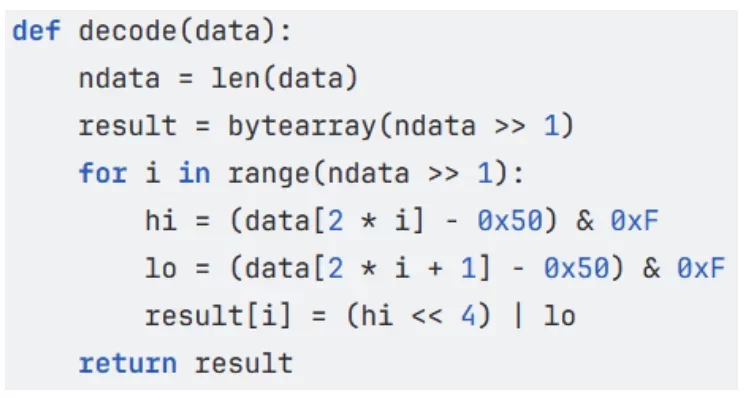
Figure 12: Part of the Base16 decoding routine in Cruciferra.
After the decoding stage, the payloads, along with the helper drivers (the BYOVD driver(s) mentioned previously), are stored in a simple file structure:
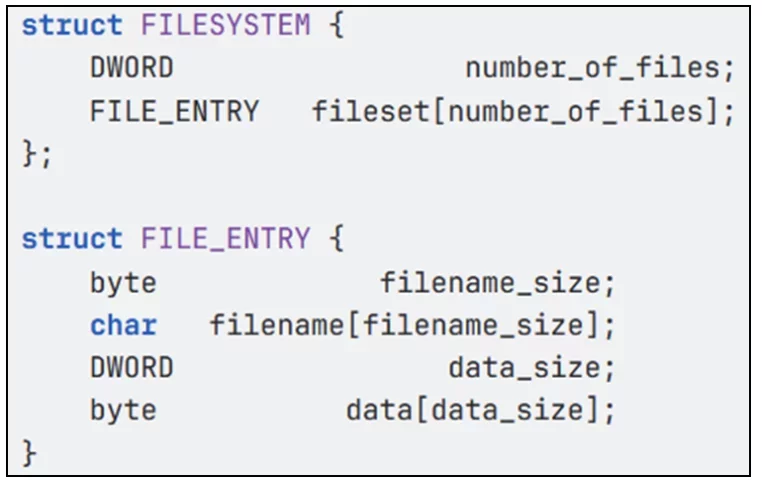
Figure 13: Payload file structure.
The filenames are used only internally, and they vary from a set of random words stitched together to human-unreadable characters (possibly UTF16 encoded).
The majority of the Cruciferra samples Proofpoint threat researchers have analysed store their payloads in the manner just outlined, but we have seen variants of Cruciferra loading their payloads from a separate file (which is dropped to disk alongside the original delivery package, such as inside the original ZIP archive). We’ve also seen Cruciferra samples that download their payloads from a staging server. These variants seem to be less common, however.
Bring Your Own Crypto Algorithms
One of the most interesting features of Cruciferra is the number of unique encryption algorithms used to encrypt and decrypt the stored payloads. Cruciferra can use one of a over 90 different encryption algorithms. Notably, these algorithms are almost never “complete” algorithms. Each is modified or pieced together from multiple other algorithms. As an abstract example, Cruciferra may use the KSA (Key Scheduling Algorithm) from “Algorithm A” and then borrow the block cipher code from “Algorithm B”, forming a new custom algorithm. The algorithm used to encrypt payloads and strings in each set of samples is different, and there is such a large variance of these algorithms, which means it is probably randomly generated (polymorphically) from elements of well-known hashing, PRNG, and cipher algorithms.
Here are some examples of the algorithms from which Cruciferra derives components:
- Keccak (https://en.wikipedia.org/wiki/SHA-3)
- Cyclic (Circular) Convolution (https://en.wikipedia.org/wiki/Circular_convolution)
- Generalized Feistel and Square-OR Feistel (https://en.wikipedia.org/wiki/Feistel_cipher)
- SPECK-128/256 CTR (https://github.com/Naruto/simon-speck-c)
- Multiply-accumulate PRNG (https://en.wikipedia.org/wiki/Multiply-with-carry_pseudorandom_number_generator)
- Modified Threefish-256 CTR (https://en.wikipedia.org/wiki/Threefish)
- Squares+Xorshift64 PRNG (https://en.wikipedia.org/wiki/Xorshift and https://en.wikipedia.org/wiki/Middle-square_method)
- Various ARX (Addition–Rotation–XOR)-based algorithms (2-layer ARX, Serial cascade ARX, Sponge ARX, Multiple-mod ARX, etc.) (https://en.wikipedia.org/wiki/Rotational_cryptanalysis)
- DES-CBC-PKCS7 (one of the few fully standard algorithms Cruciferra uses).
Loading the Payload (Tweaked Process Ghosting)
Finally, to load its payload into memory, Cruciferra employs a variant of Process Ghosting. Process Ghosting is when malware creates a temporary file, marks it for pending deletion via NtSetInformationFile, writes the malicious payload into it, then creates an image section (NtCreateSection with SEC_IMAGE) from that file. Once the file handle is closed, the operating system deletes the file from disk while the section persists in memory. A legitimate process is then created in a suspended state, the ghost section is mapped into it via NtMapViewOfSection, the thread context is redirected to the payload's entry point, and the thread is resumed. The result is a running process backed by a PE image that never existed on disk in a scannable state.
However, Cruciferra adds an additional layer to the Process Ghosting technique by adding two anti-EDR techniques. First, Cruciferra patches ZwQueryVirtualMemory hooks so when endpoint defenses such as EDR queries memory via ZwQueryVirtualMemory on the ghosted memory region inside that process, the hook intercepts the call and returns a sanitized result. This hides the fact that the backing file is deleted or anomalous.
Second, Cruciferra attempts to neuter the NtManageHotPatch function, which can be used by the operating system to apply live patches to running processes, but can also be used to validate the integrity of loaded image sections against their on-disk backing files. This will cause NtManageHotPatch to either return immediately or return an error, preventing the kernel's hot-patching function from inspecting or validating the ghosted image.
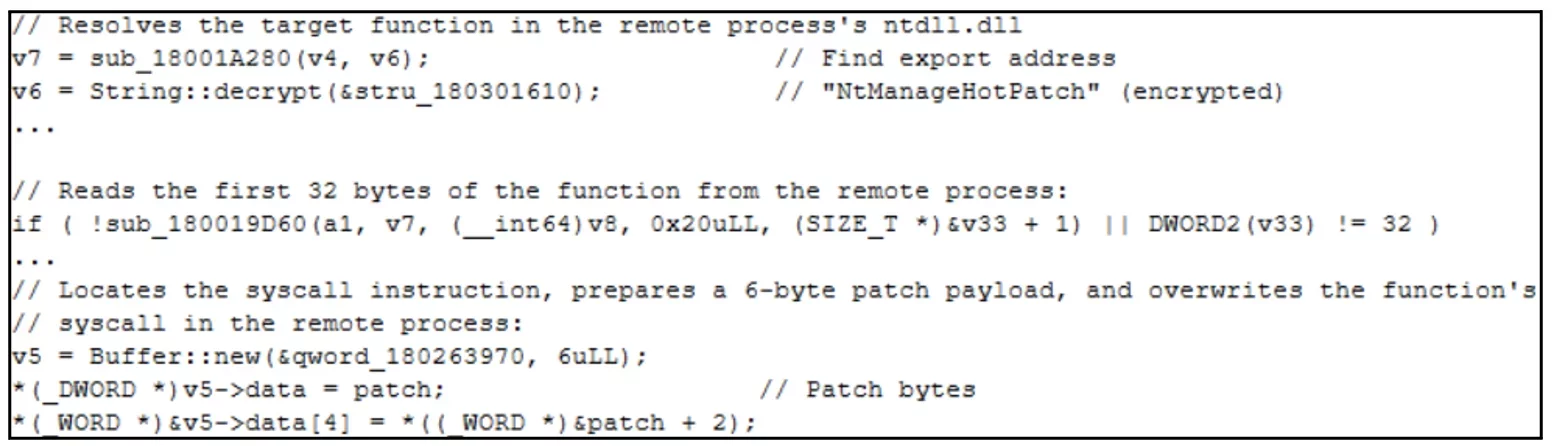
Figure 14: Snippet of Cruciferra’s NtManageHotPatch hooking code.
We have observed the following payloads being dropped by Cruciferra:
- Agent Tesla
- AsyncRAT / DCRAT
- DarkCloud Stealer
- Formbook & XLoader
- PhantomStealer
- Remcos
- Snake Keylogger
- ValleyRAT (also known as Winos4.0)
- XWorm
- zgRAT
Tracking Cruciferra
Finally, we noticed an interesting trend in many Cruciferra-packed samples. The File Version Information section of the PE files contains randomly generated Copyright, Product, Description, and other fields that follow a standard format. The Copyright metadata, for example, may be a date followed by two to four random words, such as “2026 Colpoplastric Semipreactical Group”. The Product and Description fields are similar, containing a string of random words. Here are some examples from samples in VirusTotal:
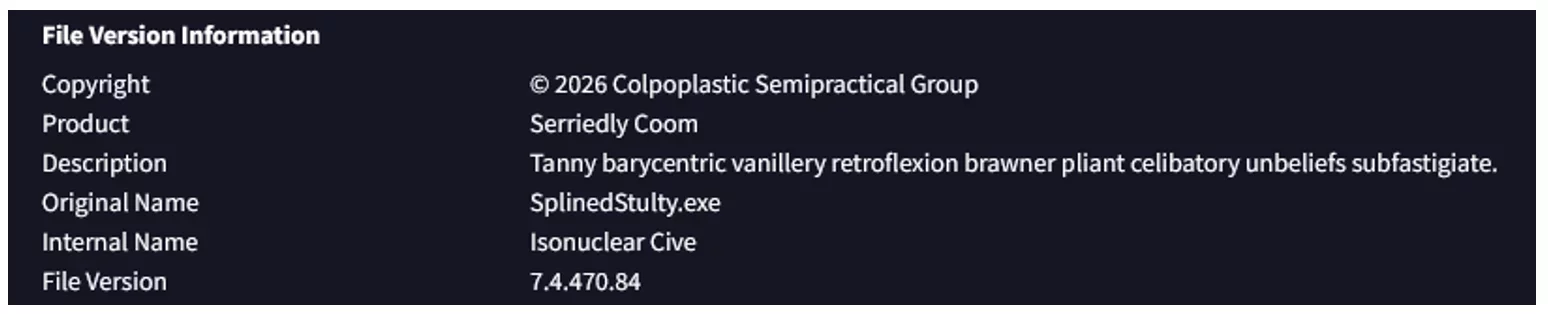
Figure 15: Cruceferra PE metadata example 1.
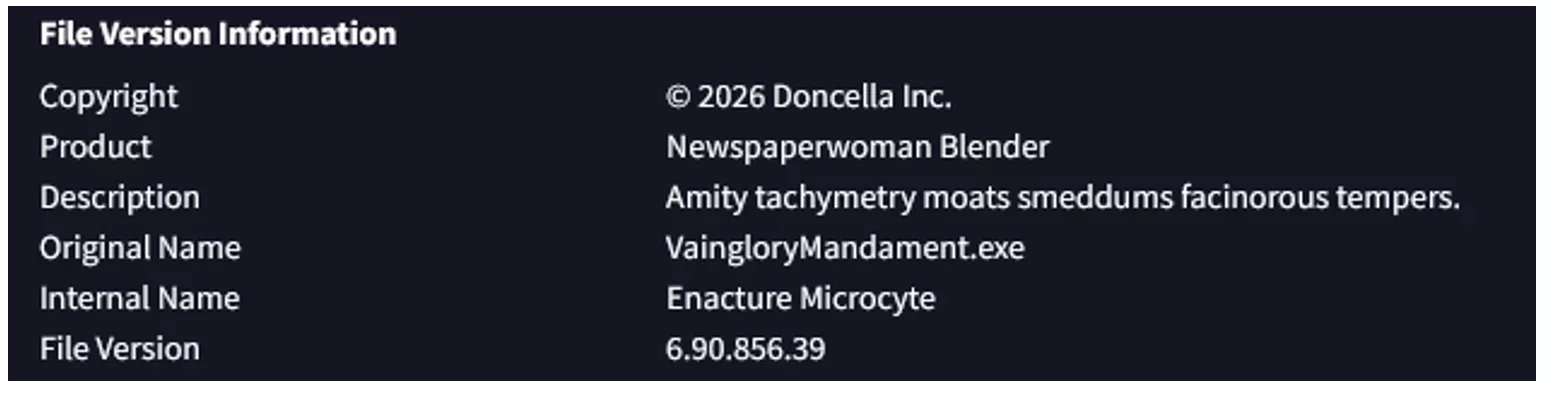
Figure 16: Cruceferra PE metadata example 2.
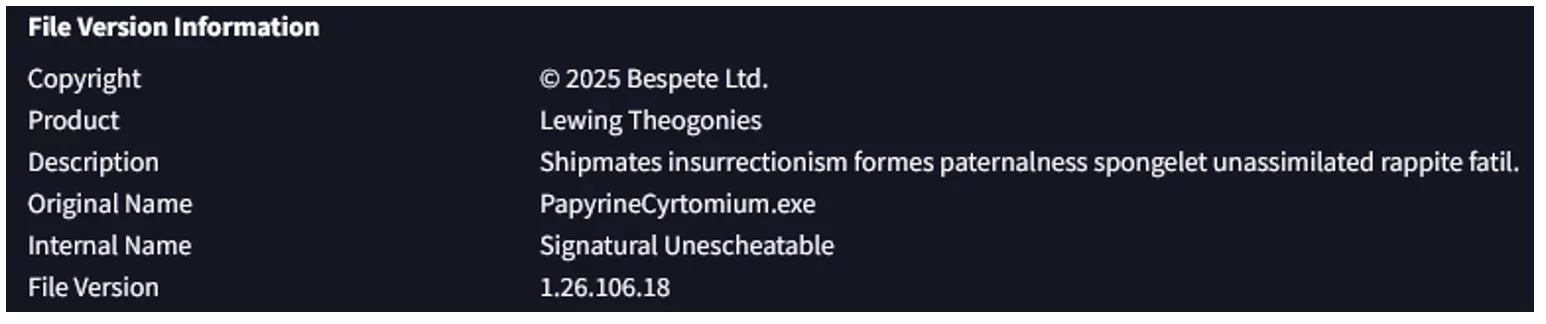
Figure 17: Cruceferra PE metadata example 3.
Using Yara signatures, metadata formatting, and other indicators, we can track uploads of Cruciferra in VirusTotal. If the compile and debug timestamps are correct (we have no reason to believe they are falsified) we can see new builds of the crypter uploaded very regularly, showing ongoing crypter service operations. The following metadata from VirusTotal shows that on 9 July 2026 a new sample was packed with Cruciferra every few minutes.
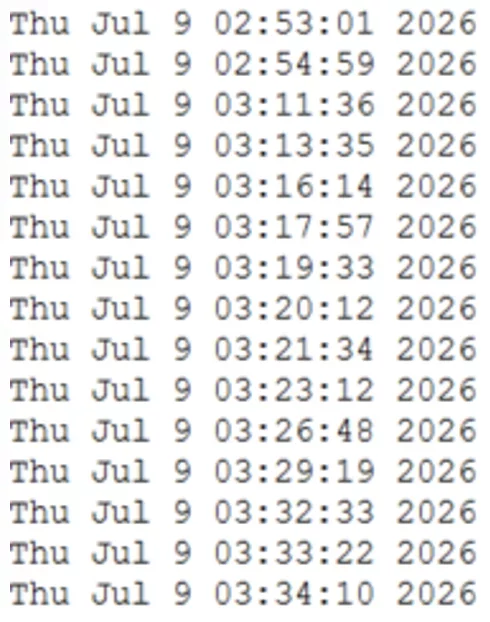
Figure 18: Debug timestamps metadata of Cruciferra-packed samples in VirusTotal.
Conclusion
While crypters have long been used to evade detection and increase malware delivery and execution success rates, Cruciferra distinguishes itself through its extensive and unique defense-evasion capabilities, modular design, and highly customized and varied approach to payload protection.
During our investigations, we observed Cruciferra delivering numerous malware families, including various remote access trojans and infostealers, highlighting its role as an enabling technology within the cybercrime ecosystem. Proofpoint will continue to monitor the development and adoption of Cruciferra and provide updates as new capabilities and campaigns are identified.
Example IOCs
Below are examples of Cruciferra and related indicators that were part of our investigation:
|
IOC |
Description |
First Seen |
|
hxxp://hsahyteiows[.]gu[.]cc |
TA4922 Cruciferra / AsyncRAT Payload URL |
28 April 2026 |
|
hxxp://yicoweytcbtw[.]gu[.]cc |
TA4922 Cruciferra / AsyncRAT Payload URL |
28 April 2026 |
|
hxxp://nciyeyrawoe[.]gu[.]cc |
TA4922 Cruciferra / AsyncRAT Payload URL |
28 April 2026 |
|
hxxp://lasiduutfe[.]gu[.]cc |
TA4922 Cruciferra / AsyncRAT Payload URL |
28 April 2026 |
|
3c181f642e24c28602a87be7f195e2f3d1ffa30b37e20f5121d99f88b22ab80e |
TA4922 Cruciferra / AsyncRAT SHA256 Tax-Number52563.zip |
28 April 2026 |
|
hxxp://xkcifgieusr[.]gu[.]cc |
TA4922 Cruciferra / AsyncRAT Payload URL |
4 May 2026 |
|
hxxp://viuyeyrwqs[.]gu[.]cc |
TA4922 Cruciferra / AsyncRAT Payload URL |
4 May 2026 |
|
hxxp://pmcjsuyraw[.]gu[.]cc |
TA4922 Cruciferra / AsyncRAT Payload URL |
4 May 2026 |
|
hxxp://laiwutrencr[.]gu[.]cc |
TA4922 Cruciferra / AsyncRAT Payload URL |
4 May 2026 |
|
hxxp://maisytawe[.]gu[.]cc |
TA4922 Cruciferra / AsyncRAT Payload URL |
4 May 2026 |
|
hxxp://kawosyetw[.]gu[.]cc |
TA4922 Cruciferra / AsyncRAT Payload URL |
4 May 2026 |
|
hxxp://nviuawusye[.]gu[.]cc |
TA4922 Cruciferra / AsyncRAT Payload URL |
4 May 2026 |
|
hxxp://faeytrdeaw[.]gu[.]cc |
TA4922 Cruciferra / AsyncRAT Payload URL |
4 May 2026 |
|
hxxp://figyuyrqwr[.]gu[.]cc |
TA4922 Cruciferra / AsyncRAT Payload URL |
4 May 2026 |
|
hxxp://hfyuayustrv[.]gu[.]cc |
TA4922 Cruciferra / AsyncRAT Payload URL |
4 May 2026 |
|
hxxp://jsiruytrawey[.]gu[.]cc |
TA4922 Cruciferra / AsyncRAT Payload URL |
4 May 2026 |
|
hxxp://kawuuterta[.]gu[.]cc |
TA4922 Cruciferra / AsyncRAT Payload URL |
4 May 2026 |
|
hxxp://nvsieyrrawe[.]gu[.]cc |
TA4922 Cruciferra / AsyncRAT Payload URL |
4 May 2026 |
|
66dbe675480dc229e5b3ab8ad74207f73486e64e57805074f784bb2e01bcb865 |
TA4922 Cruciferra / AsyncRAT SHA256 Tax-Number809863.zip |
4 May 2026 |
|
hxxp://fuaytrwese[.]love |
TA4922 Cruciferra / AsyncRAT Payload URL |
28 May 2026 |
|
hxxp://qeuasytua[.]love |
TA4922 Cruciferra / AsyncRAT Payload URL |
28 May 2026 |
|
hxxp://svuatwea[.]love |
TA4922 Cruciferra / AsyncRAT Payload URL |
28 May 2026 |
|
hxxp://vusuydryt[.]love |
TA4922 Cruciferra / AsyncRAT Payload URL |
28 May 2026 |
|
hxxp://xnbscuya[.]love |
TA4922 Cruciferra / AsyncRAT Payload URL |
28 May 2026 |
|
hxxp://ncduuyese[.]live |
TA4922 Cruciferra / AsyncRAT Payload URL |
28 May 2026 |
|
hxxps://oakwusya[.]love |
TA4922 Cruciferra / AsyncRAT Payload URL |
28 May 2026 |
|
hxxp://syfiaydytea[.]live |
TA4922 Cruciferra / AsyncRAT Payload URL |
28 May 2026 |
|
a6fb779be35592fb0ff624a8f8e12ab3cafe7bcfc312cd98263814db7fb01e02 |
TA4922 Cruciferra / AsyncRAT SHA256 Tax-Number119863.zip |
28 May 2026 |
|
59ad96dd3b4d5f10a5c53bbd465446e52dc7701a4ac633632f762bf1336d3347 |
TA4922 Cruciferra / AsyncRAT SHA256 Tax-Number101863.zip |
28 May 2026 |
|
hxxp://jaiydteds[.]love |
TA4922 Cruciferra / AsyncRAT Payload URL |
1 June 2026 |
|
hxxp://mksfuuerwo[.]live |
TA4922 Cruciferra / AsyncRAT Payload URL |
1 June 2026 |
|
hxxp://fiusyevr[.]live |
TA4922 Cruciferra / AsyncRAT Payload URL |
1 June 2026 |
|
hxxp://lisiutegrm[.]live |
TA4922 Cruciferra / AsyncRAT Payload URL |
1 June 2026 |
|
hxxp://paiwudyea[.]love |
TA4922 Cruciferra / AsyncRAT Payload URL |
1 June 2026 |
|
hxxp://xuastyrdqk[.]love |
TA4922 Cruciferra / AsyncRAT Payload URL |
1 June 2026 |
|
hxxps://fvxcuvuyte[.]live |
TA4922 Cruciferra / AsyncRAT Payload URL |
1 June 2026 |
|
hxxps://kdsuyrse[.]live |
TA4922 Cruciferra / AsyncRAT Payload URL |
1 June 2026 |
|
hxxps://hsauyeet[.]live |
TA4922 Cruciferra / AsyncRAT Payload URL |
1 June 2026 |
|
6dbd6f9f2fa636c16ac4fa81418b68a604424861b9650dd9c4f2b0ba6f67d6ac |
TA4922 Cruciferra / AsyncRAT SHA256 Tax-Number33863.zip |
1 June 2026 |
|
hxxps://almacensantangel[.]com/wp-includes/assets/YourSSA_Documents_0000000676152_05_187_2026_Document_0000000676152[.]rar |
Cruciferra / XWorm Payload URL |
18 May 2026 |
|
gatuso[.]duckdns[.]org |
XWorm C2 |
18 May 2026 |
|
3f31aee0948d16f8d64bf6bec69a4331099993e502b11bfc56b2c0112024489d |
Cruciferra / zgRAT Payload SHA256 photo295825092412.zip |
29 June 2026 |
|
hxxps://digital-magicians[.]com/photo295825092412[.]zip?_r=ea623202 |
Cruciferra / zgRAT Payload URL |
29 June 2026 |
|
0zbqnac1t4dv2t2wuodv1m[.]com |
zgRAT C2 |
29 June 2026 |
|
89[.]34[.]90[.]99:56001 |
zgRAT C2 |
29 June 2026 |